

A shocking 69% of people admit to driving after drinking alcohol. Most think they're fine to drive after one or two drinks. But this belief couldn't be more wrong. The science and law paint a different picture when it comes to driving after one beer.
Alcohol impacts your driving skills with your first sip, even before you feel tipsy. Your body needs more than an hour to process just one alcoholic drink. This small amount affects your judgment, depth perception, and your ability to track moving objects. The stakes are even higher because you can face DUI charges with a blood alcohol concentration (BAC) below the legal limit of 0.08%. The law only needs proof that you're noticeably impaired.
This piece will get into the actual effects of one beer on your driving abilities. We'll look at the legal risks and show why that "just one drink" isn't as safe as people think.
You might wonder what really happens when you drink that seemingly innocent beer. Your body doesn't digest alcohol like food. Instead, it takes a direct path through your system and affects you right away.
The moment you take your first sip, alcohol starts its experience in your body. Your stomach walls absorb 20% of alcohol directly into your bloodstream, while your small intestine handles the remaining 80%. Alcohol moves faster throughout your body's water content because it needs no digestion. You'll feel your drink's full effects within 15 to 45 minutes. This quick absorption explains why even one beer can affect your ability to drive safely.
Your blood alcohol concentration (BAC) depends on more than just what you drink. Your body composition plays a vital role—alcohol spreads through about 68% of an adult male's tissues but avoids fat and bone. On top of that, it affects women differently than men. Women typically show higher BAC levels after one drink because their bodies contain less water and fewer alcohol-processing enzymes.
Here are the most important factors:
Food consumption (keeps alcohol in your stomach longer, slowing absorption)
Carbonation in drinks (makes absorption happen faster)
Type of beverage (stronger drinks can raise BAC more quickly)
Body weight and size (determines how much alcohol gets diluted)
In stark comparison to this common belief, your body processes alcohol at a steady rate—about one standard drink per hour. Your BAC usually peaks 30-70 minutes after drinking one beer, based on the factors listed above. Your liver does most of the work by metabolizing about 90% of the alcohol you drink. It uses enzymes to break alcohol down into acetaldehyde (a toxic substance) and eventually into harmless compounds.
The biggest problem lies in the gap between how you feel and your actual impairment. Even with low BAC levels (0.02-0.04)—just one standard drink—subtle changes begin to affect your driving abilities. People who keep taking them develop tolerance as their bodies become better at processing alcohol. This creates a dangerous situation where you might feel fine to drive after one beer, but your coordination, judgment, and reaction time tell a different story.
Note that nothing will speed up how your body processes alcohol—not coffee, cold showers, or waiting a few minutes. Time remains your only real solution.
People often think they can drive safely if they don't feel drunk, but science tells us something different. Your driving skills start to slip with your very first drink, before you might even feel any effects.
Your reaction time slows down with a BAC as low as 0.02% - about one beer for most people. At highway speeds, you'll need an extra 12 feet to react to danger. Hand-eye coordination gets worse at BACs of 0.05% or lower. This makes it harder to control basic driving tasks like steering or braking smoothly.
The scariest part is how alcohol messes with your judgment right from the start. It reduces your brain's ability to process information, so you make worse decisions about risk. Drivers feel more confident even though they're doing worse, even below the legal limit. Heavy drinkers think they're less affected, but tests show their skills drop just as much.
Just one beer can hurt your vision in ways that matter for safe driving:
Your ability to see contrast drops by up to 30% at BACs of just 0.05%
Your side vision gets smaller, creating tunnel vision
You can't judge distances as well
Your eyes move slower and don't adjust to light changes quickly
These vision problems get worse at night, which makes driving after one drink extra dangerous in the dark.
Your ability to handle multiple tasks takes the biggest hit from alcohol. You might focus on one thing okay after a beer, but trying to juggle multiple tasks - which is what driving is all about - gets worse at BACs of just 0.05%. This becomes a big deal as it means that watching traffic, controlling your speed, staying in your lane, and reacting to surprises all become harder after just one drink.
The truth hits hard: alcohol starts affecting your driving long before you feel drunk, and the changes start with that first beer.
Alcohol-related driving laws are more complex than most people think. Many drivers believe they're safe if they stay under the 0.08% BAC limit. The legal reality tells a different story.
Most states still use the 0.08% BAC standard as their legal threshold for driving while intoxicated. Utah took a bold step by setting a 0.05% BAC limit back in December 2018. This lower threshold matches what science tells us - driving skills get worse at BACs of 0.05% and above. More than 100 countries around the world already use BAC limits of 0.05% or lower.
The push for stricter limits continues to grow in America. North Carolina might soon lower its limit to 0.05%. Research from Utah shows promising results - fatal crash rates dropped 20% between 2016-2019 after the new limit took effect.
The biggest misconception about DUI law is simple: You can get charged even if you're under the legal limit. Every state allows police to arrest drivers who show signs of impairment, regardless of their BAC. A single beer could lead to arrest if an officer sees you weaving, failing coordination tests, or showing other signs of impairment.
One drink might put you at legal risk. Your weight, metabolism, and other factors change how alcohol affects you.
Each state handles alcohol laws differently. States have their own rules about:
Open container laws (39 states follow federal rules)
Ignition interlock devices (27 states require them for all offenders)
License suspension policies (48 states suspend licenses right away)
Zero-tolerance rules for under-21 drivers (limits range from 0.00% to 0.02%)
A first-time DUI can destroy your finances. Fines range from $300 to $10,000 based on the situation. You'll also face towing costs ($175-$500), daily impound fees ($75-$175), and lawyer bills ($2,000-$8,000).
Money isn't the only problem. You might lose your license, take mandatory classes, or need an ignition interlock device in your vehicle. These devices stopped more than 75,000 drunk driving attempts in Pennsylvania during 2024.
That "harmless" single beer can turn dangerous in ways many drivers don't see coming. You might feel fine to drive after one drink, but certain situations can make alcohol hit you much harder than expected.
Your body absorbs alcohol faster when you drink on an empty stomach. With no food to slow things down, alcohol moves quickly from your stomach to your small intestine, where 80% of absorption happens. Your blood alcohol level rises faster - research shows drinking without food can push your BAC up to 3 times higher than drinking after eating. Your stomach's enzymes don't get enough time to break down the alcohol when there's no food present.
Alcohol doesn't play nice with hundreds of prescription and over-the-counter medicines. These combinations can make alcohol's effects worse or create new risks. To name just one example, mixing antihistamines with alcohol makes you extra drowsy, which makes driving risky. Pain pills, anxiety medications, and even some cough medicines mixed with one beer can mess with your ability to drive safely. These dangerous combinations happen even when your BAC stays below legal limits.
Mixing tiredness with alcohol creates a recipe for disaster behind the wheel. One beer hits you harder when you're already tired. Alcohol might make you sleepy at first, but it messes with your sleep quality by increasing epinephrine levels hours later. Driving after one beer when you're tired can impair you as much as having twice the alcohol in your system.
Your body type plays a big role in how one beer affects your driving. Women's bodies react differently to alcohol than men's. They get higher BACs from one drink because of their body water content, enzyme levels, and hormones. Body fat percentage matters too - people with more body fat reach higher BACs because alcohol doesn't mix well with fat tissue. Regular drinkers face their own risks - you might feel fine because of tolerance, but your driving skills still take a hit.
Science and law make it clear - drinking and driving is dangerous, even after just one beer. Many people think they can drive safely after a single drink. However, research shows that alcohol impairs your driving skills before you feel its effects. Your reaction time gets slower, judgment becomes weaker, and your vision suffers from the first sip.
Legal penalties for drunk driving go well beyond the 0.08% BAC threshold. Police can arrest you for impaired driving whatever your blood alcohol level. This leads to tough penalties like fines, suspended licenses, and mandatory ignition interlock devices.
Several factors can make alcohol hit you harder. An empty stomach, mixing with medications, or being tired can make that seemingly harmless beer turn dangerous quickly. The smart choice is to avoid alcohol completely before getting behind the wheel.
The Martinez Law Firm knows the ins and outs of alcohol-related driving cases. Need legal guidance about a DUI situation? Call us at (512) 444-0025 to get a free consultation. Note that no destination matters enough to risk driving under the influence, even after the smallest amount of alcohol.
Q1. Is it safe to drive after consuming one beer? No, it's not safe to drive after consuming even one beer. Alcohol begins to affect your driving abilities from the first drink, impairing your judgment, reaction time, and coordination before you feel noticeably intoxicated.
Q2. How does one beer impact your Blood Alcohol Concentration (BAC)? The impact of one beer on your BAC varies depending on factors such as body weight, gender, metabolism, and whether you've eaten. Generally, one standard drink can raise your BAC to around 0.02%-0.04%, which is enough to affect driving skills.
Q3. Can you get a DUI with just one beer? Yes, it's possible to get a DUI after just one beer. Even if your BAC is below the legal limit, you can be charged based on observed impairment. Officers can arrest you if they determine your driving ability is compromised, regardless of your BAC reading.
Q4. How long should you wait to drive after drinking one beer? Your body metabolizes alcohol at a rate of about one standard drink per hour. However, the safest approach is to avoid driving altogether after consuming any amount of alcohol, as impairment can persist even after you feel sober.
Q5. Are there situations where one beer can be more dangerous than usual? Yes, certain situations can amplify the effects of one beer. Drinking on an empty stomach, combining alcohol with medications, being fatigued, or having a smaller body size can all make one beer more dangerous. These factors can increase impairment and the risk of accidents.
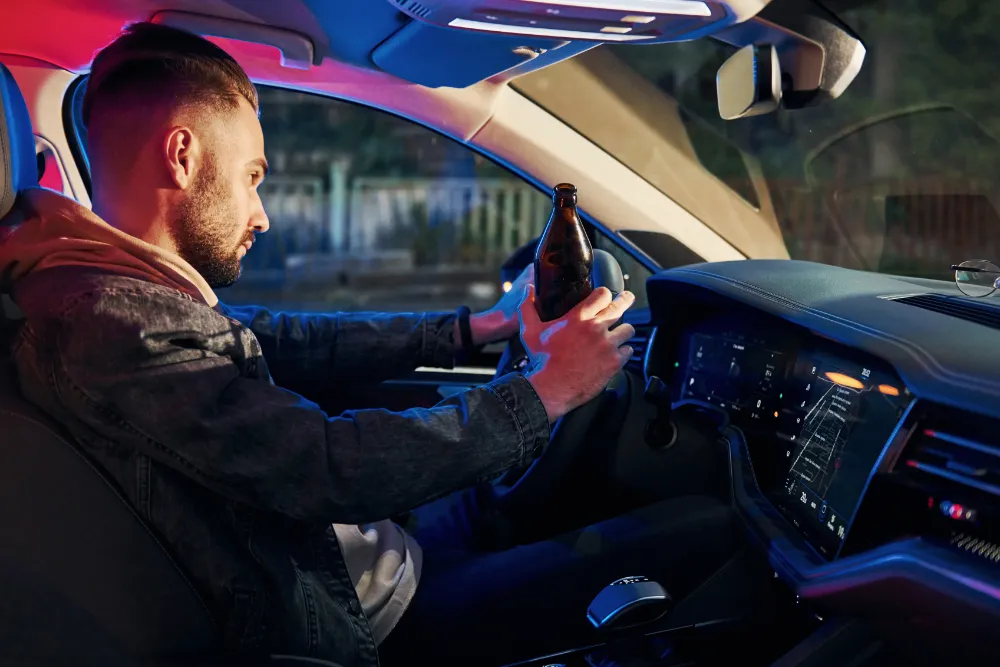
Drunk drivers claim 32 lives every day in the United States. The National Highway Traffic Safety Administration (NHTSA) reports nearly 12,000 deaths in 2020 alone from these accidents.
These aren't mere statistics on a page - they tell stories of shattered families and lasting trauma. Victims struggle with both physical injuries and psychological scars while navigating complex legal battles. NHTSA data reveals a sobering truth: alcohol-related crashes will affect about 3 in every 10 Americans during their lifetime.
The Martinez Law Firm in Austin, Texas understands how drunk driving accidents can devastate lives. Your actions right after being hit by a drunk driver can substantially affect your physical recovery and legal rights. We'll guide you through the crucial first steps that protect you and your future.
The right steps after a collision with an intoxicated driver can protect your safety and legal rights. The Martinez Law Firm helps clients navigate these significant moments.
Your safety comes first. Pull your vehicle to the road's shoulder and switch on hazard lights to warn other drivers. Check yourself for injuries before helping others. Stay in your vehicle with your seatbelt fastened if you feel unsafe or suspect serious injuries.
Call 911 right away, whatever the accident's severity. Police officers will create an official report, run sobriety tests, and document everything at the scene. Keep your distance and avoid talking to the suspected drunk driver because intoxicated people can be unpredictable.
Quick action helps collecting evidence after the crash. Your photos should include:
Witness statements about the driver's behavior before the crash can strengthen your case. The Martinez Law Firm can help get surveillance footage or BAC test results as additional evidence. Call us at (512) 444-0025 if you need immediate help with your drunk driving accident case in Austin or surrounding areas.
Quick medical attention is the life-blood of physical recovery and legal protection after a drunk driver hits you. The Martinez Law Firm helps Austin clients make these crucial medical decisions.
Many injuries like internal bleeding or concussions stay hidden right after an accident. A full medical examination catches these hidden injuries early and prevents serious complications. Medical records from your healthcare provider create a documented timeline of injuries and treatments that becomes crucial for legal claims.
Your legal position becomes stronger when you stick to prescribed medical treatments and show dedication to recovery. Skipping appointments or stopping treatment too early can make others question how serious your injuries are. The Martinez Law Firm recommends you continue medical care until your healthcare providers confirm full recovery or determine no more treatment will help.
A complete set of medical documents forms the basis of any personal injury claim. Your records should include:
These records provide solid proof of your injuries and treatments. You should keep copies of all medical bills because these documents help calculate compensation for your current and future medical expenses.
The Martinez Law Firm team at (512) 444-0025 can help with your medical documentation if a drunk driver hit you in Austin or nearby areas. We'll make sure your medical records support your claim while you focus on getting better.
Drunk driving accident victims have specific legal rights that just need protection. The Martinez Law Firm helps Austin residents navigate these important legal matters.
Drunk driving crash victims have several basic legal rights:
Insurance companies often make their first settlement offers quickly. You should know that drunk driving crashes can cause severe, lifelong injuries like spinal cord damage and brain trauma. Insurance companies usually start with low offers and hope victims will accept them because they need money fast. A full picture of your damages is significant before you look at any settlement options.
The statute of limitations in Texas sets a specific timeframe to file your claim. You could lose your right to compensation if you miss this deadline. Notwithstanding that, a lawyer's expertise is valuable because they can:
The Martinez Law Firm provides free case evaluations to explain your legal options. Our team helps clients in Austin and nearby areas like Buda, Kyle, Bastrop, San Marcos, Pflugerville, and Round Rock. Call us at (512) 444-0025 for immediate help with your drunk driving accident case.
Dealing with insurance companies after a drunk driver hits you needs careful attention to detail and smart communication. The Martinez Law Firm helps Austin residents through this complex process.
Insurance companies rush to contact you right after an accident to get quick settlements. They want to minimize their payouts, even in cases with drunk drivers. You need to keep detailed records of all insurance communications, including:
Most car insurance policies cover accidents caused by drunk drivers. But insurance companies might try to label the crash as intentional to avoid payment. Some insurers also delay claims processing or blame victims unfairly. The Martinez Law Firm helps clients protect their rights throughout the claims process.
Insurance adjusters start with low settlement offers to test what you know about your claim's true value. You should never accept their first offer because it rarely covers all your injuries and damages. The smart approach is to wait until you know your injuries' full extent and long-term effects before discussing any settlement.
The Martinez Law Firm handles all insurance communications for you while you focus on recovery. Our team serves Austin and nearby areas, including Buda, Kyle, Bastrop, San Marcos, Pflugerville, and Round Rock. Call us at (512) 444-0025 to get your free case evaluation.
Drunk driving accidents devastate victims' lives with far-reaching effects on their physical health, emotional well-being, and financial stability. Your position for fair compensation and justice becomes stronger when you take the right steps right after the accident.
Recovery demands proper medical care, detailed documentation, and protection of your legal rights. A skilled legal team becomes vital to handle insurance negotiations and secure appropriate compensation for your injuries.
The Martinez Law Firm will protect your rights and fight for the compensation you deserve. Our dedicated team helps accident victims in Austin, Buda, Kyle, Bastrop, San Marcos, Pflugerville, and Round Rock. You can rebuild your life after a drunk driving accident - call us at (512) 444-0025 for a free case evaluation.
Q1. Can I take legal action against a drunk driver who hit my car?
Yes, you can sue a drunk driver who caused an accident. As the victim, you have the right to file a civil negligence lawsuit to seek compensation for injuries and damages resulting from the accident.
Q2. What are the immediate steps I should take after being hit by a drunk driver?
First, ensure your safety by moving to a safe location if possible. Then, call 911 to report the accident and get medical help. Document the scene by taking photos and gathering witness information. Avoid confronting the drunk driver directly.
Q3. How important is medical documentation after a drunk driving accident?
Medical documentation is crucial. Seek immediate medical evaluation, even if you feel fine, as some injuries may not be immediately apparent. Follow all treatment plans and keep detailed records of your medical care, as this documentation will be vital for your legal claim.
Q4. Should I accept the first settlement offer from the insurance company?
It's generally not advisable to accept the first settlement offer. Insurance companies often make low initial offers. Wait until you fully understand the extent of your injuries and their long-term implications before considering any settlement discussions.
Q5. How can an attorney help me after being hit by a drunk driver?
An attorney can provide valuable assistance by investigating your claim thoroughly, building a strong case with evidence, dealing effectively with insurance companies, and ensuring you meet all legal deadlines. They can also help you understand your rights and pursue fair compensation for your injuries and damages.
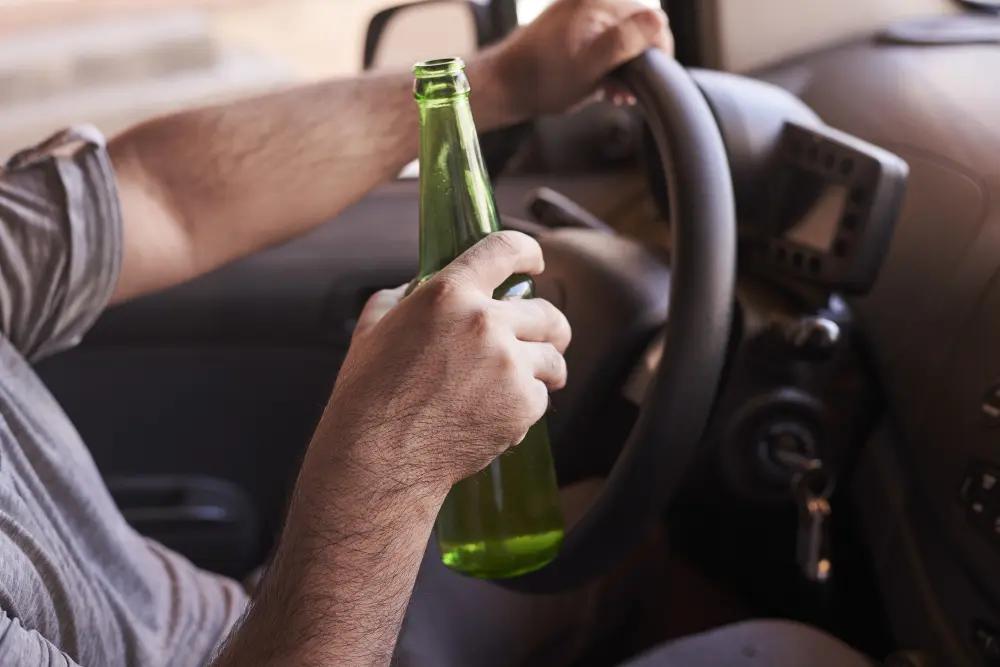
If you or someone you know has been involved in a drunk driving accident, understanding the average settlement for drunk driving accident cases is crucial. These incidents, often caused by drunk drivers, can lead to significant injuries and financial strains. While each case is unique, factors such as the severity of the injuries and the driver's level of intoxication can influence the settlement amount. This comprehensive guide will delve into the average settlement for a drunk driving accident, the factors that affect it, and the types of damages that may be compensated. Moreover, we'll highlight the importance of engaging a personal injury lawyer to assist you through the legal proceedings and to enhance your chances of a substantial recovery.
Drunk driving accidents, which occur when individuals operate vehicles under the influence of alcohol, pose serious risks to all road users. These accidents, synonymous with unpredictability and danger, can happen at any time and lead to severe injuries and significant property damage. The threat of a drunk driving accident looms large, making it a perilous issue for drivers and pedestrians alike.
The average settlement hit by drunk driver cases can be influenced by a variety of factors. It's important to consider these elements when estimating the potential value of your claim. While each situation is distinct, certain factors frequently play a pivotal role in determining the settlement amount in a drunk driving accident.
The severity of the injuries sustained, such as traumatic brain injury, is a critical element in determining the settlement amount for a drunk driving accident. More serious injuries often command higher settlements, reflecting the increased medical care and potential for long-term impact on the victim's life.
Assessing liability and determining who was at fault is essential in calculating the settlement amount for a drunk driving accident. Even when a drunk driver is involved, comparative negligence laws might attribute a portion of the fault to other parties, which is a key aspect of the legal strategy in personal injury cases.
In cases of extreme recklessness or intentional misconduct by the drunk driver, punitive damages may be awarded. These damages are intended to punish the offender and deter future similar conduct. The possibility and extent of punitive damages can differ based on the laws of the jurisdiction where the drunk driving accident occurred.
Economic damages encompass the financial losses suffered due to the accident, such as medical bills, rehabilitation expenses, lost income, property damage, and other quantifiable losses. The calculation of economic damages is generally based on the unique details of each drunk driving accident case.
Non-economic damages, such as pain and suffering hit by drunk driver, are intangible losses that cannot be easily quantified. These may include emotional distress, loss of enjoyment of life, and other subjective factors. Assigning a monetary value to these damages, including pain and suffering experienced after being hit by a drunk driver, can be challenging, but they are an essential part of the overall settlement amount.
The insurance coverage of the at-fault party and the victim's insurance coverage also play a pivotal role in determining the settlement amount. The available coverage limits and policy terms can significantly impact the amount of compensation that can be obtained, making insurance coverage a key factor in the settlement process.
When calculating a settlement for a drunk driving accident, there are three main types of damages that are typically considered: economic damages, non-economic damages, and punitive damages.
Economic damages, also known as special damages, encompass the financial losses incurred as a direct result of the accident. These may include medical expenses, rehabilitation costs, property damage, lost wages, and other quantifiable losses. Calculating economic damages requires gathering documentation and evidence of the actual expenses incurred.
Non-economic damages, which are subjective losses that cannot be easily quantified, include pain and suffering, emotional distress, loss of consortium, and loss of enjoyment of life. Assigning a monetary value to non-economic damages often necessitates the expertise of an experienced personal injury attorney.
Exemplary damages, also referred to as punitive damages, are intended to punish the at-fault party for their reckless behavior and deter others from engaging in similar conduct. These damages go beyond compensating the victim and are awarded in cases involving egregious misconduct or intentional harm.
Navigating the legal process following a drunk driving accident can be complex and overwhelming, especially while dealing with injuries and recovery. Hiring a skilled personal injury lawyer is crucial to ensure that your rights are protected, and you receive the full compensation you deserve. An experienced attorney can:
If you have been involved in a drunk driving accident in Austin, Texas, or the surrounding areas of Buda, Kyle, Bastrop, San Marcos, Pflugerville, and Round Rock, The Martinez Law Firm is here to help. As your trusted personal injury attorney, we offer a free consultation and have a proven track record of achieving the best results for our clients. Our dedicated team will fight tirelessly to ensure you receive fair compensation for your injuries, medical expenses, lost wages, and other damages.
Contact The Martinez Law Firm today at (512) 444-0025 to take advantage of our free case evaluation. Let our experienced attorneys guide you through the legal process and advocate for your rights. Don't hesitate to seek the legal representation you deserve.




Schedule a free consultation with one of our experienced lawyers today by filling out the form below, or call us at 512-444-0025