
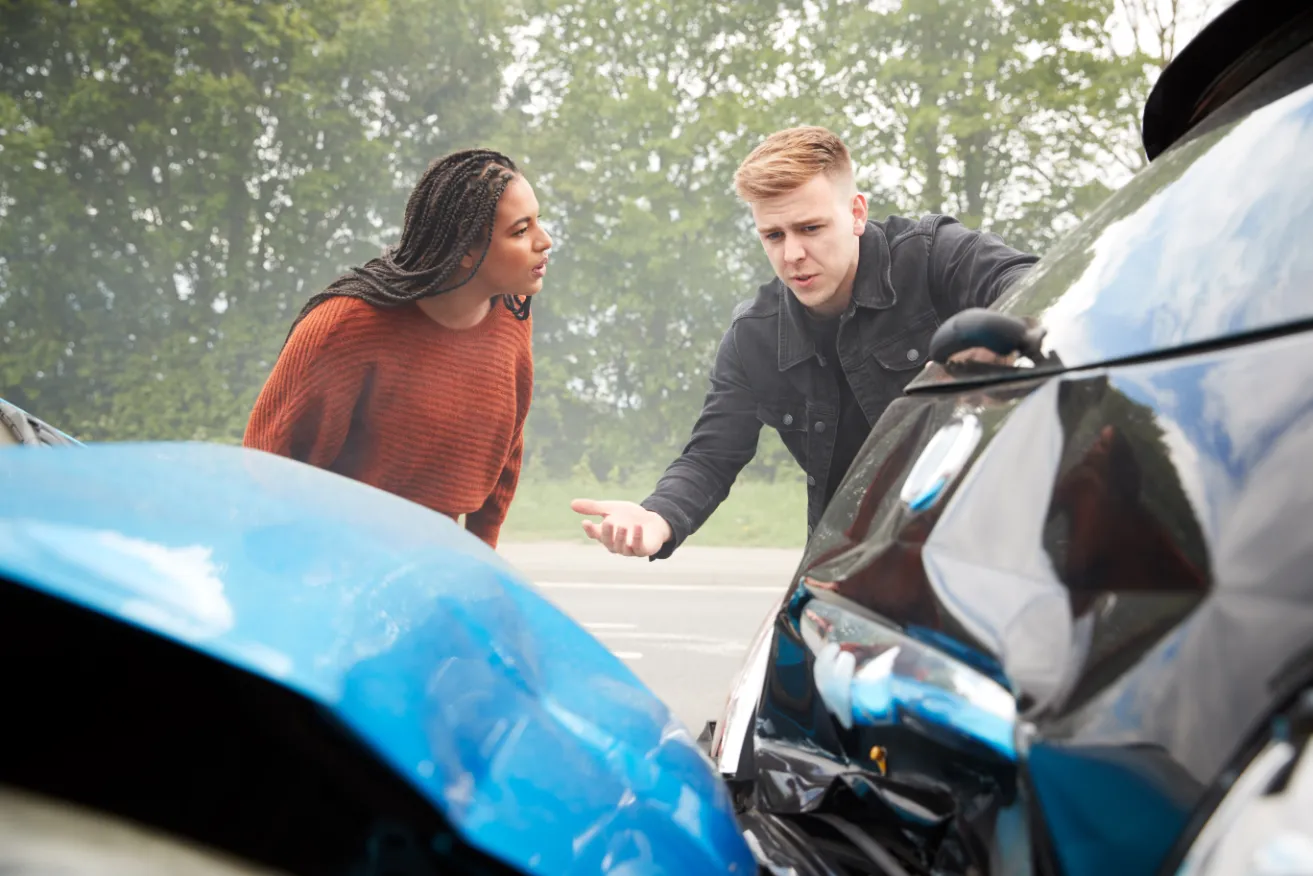
CDC data shows teen drivers face the highest risk of accidents and fatal crashes among all age groups. These new drivers speed and tailgate more than others. The question about learner driver accidents becomes especially important when you have teens and their parents involved.
A learner's permit accident brings stress and uncertainty. The aftermath carries most important effects - higher insurance premiums, fines, and delayed license acquisition. Parents and guardians could bear legal and financial responsibility for their teen driver's damages.
This detailed guide explains what to do after a learner driver accident. You'll understand the legal impact and your insurance company's response. Every permit holder and parent needs to know their rights and expectations during these tough situations.
A learner driver needs to know what to do if they have an accident. The first few moments are vital to ensure safety and legal protection. Staying calm and doing the right things will substantially affect how the situation turns out.
Everyone's safety comes first after any accident. The vehicle should be moved to a safe spot if possible. Hazard lights must be turned on to warn other drivers. Check yourself and others for injuries, and move away from the accident scene and traffic.
Vehicle fires can happen after accidents. Learner drivers must switch off the ignition right away and get out of the vehicle. Keep your distance from the accident scene until help arrives.
Evidence collection is a vital part of insurance claims and legal proceedings. Here's what you need to gather:
Never admit fault or apologize at the accident scene, even if you think you're responsible. Your focus should be on collecting facts and keeping a clear record of what happened.
You must call the police in several situations. Dial 911 if there are injuries, whatever their severity. Police involvement becomes necessary when property damage is more than $1,000.
Police will handle learner drivers just like any other driver. They'll conduct their original investigation and file an accident report. This report helps with insurance claims and protects your rights during the process.
Stay at the scene until police arrive and give them a detailed statement about what happened. The police report will contain vital details about the accident, including damage descriptions, insurance information, and witness statements.
Legal responsibility when learner drivers get into accidents involves many parties. We need to look at several complex factors. Standard accident investigation procedures determine who's at fault, but a learner's status makes things more complicated.
The legal system holds both the student driver and their supervisor accountable. Parents or guardians who sign for a minor's permit take on financial responsibility for accidents. Some states have vicarious liability laws that make parents directly responsible for their teen's mistakes, even when they weren't there during the accident.
Accidents with a learner's permit can seriously disrupt driving privileges. Breaking permit rules, like driving without supervision, often leads to immediate permit suspension. Getting a full license might take longer, especially after accidents with traffic violations or reckless behavior.
A learner driver's accident can lead to several penalties:
Insurance usually covers the damages, but parents end up paying higher premium rates. Both learner drivers and their guardians should know these risks well since they last long after the accident.
New drivers usually get coverage under their parents' auto insurance policies. This setup helps protect both learners and their families when it comes to finances.
The car's insurance policy takes precedence over the driver. The vehicle's insurance covers damages and medical costs from accidents. This applies when learner drivers follow the law and drive with proper supervision. Parents' auto insurance gives permit holders the same protection as licensed drivers in these cases.
Quick action and proper documentation are crucial when filing claims. Different states have their own deadlines. To cite an instance, Florida gives you 14 days after an accident to submit claims. Here's what you need to do:
Teen drivers make insurance companies nervous. Statistics show they get into accidents almost four times more often than drivers over 20. This means adding a learner driver will bump up your premium costs. But there are ways to keep these costs down.
Insurance companies give discounts for good grades and driver education courses. Some even let the first accident slide through their forgiveness programs.
Breaking permit rules can lead to insurance companies denying coverage completely. Parents then become liable for any costs beyond policy limits. Families should look into every possible discount and stay in touch with their insurance provider about what coverage they need.
Studies show new teenage drivers have the highest risk of crashes during their first three months with a license. This dangerous period affects both their short-term and future driving experience.
Accidents can stretch out the learning period for permit holders. We suspended drivers who get two or more points on their record within a year for 30 days. Three or more points bring a six-month suspension and a year of probation. These rules help cut down accidents. Research backs this up - provisional licensing has brought down total accidents with young drivers by 5.3%.
Young drivers might need an Advanced Driver Improvement course after an accident. The courts or point system can make this mandatory if their license gets suspended. The program works well - 16-year-old drivers show much lower conviction rates after completing it.
You need a well-laid-out plan to rebuild confidence. Here's what helps:
Research shows provisional post-licensing rules work better than adult control systems to reduce accidents. Young drivers can bounce back from accidents with professional help and the right support system.
Accidents with learner drivers create complex situations that affect many parties - from immediate safety concerns to long-term legal and financial consequences. These situations might feel overwhelming at first. Taking the right steps after an accident, knowing your legal responsibilities, and dealing with insurance companies can improve outcomes by a lot.
Parents and guardians play a vital role in these situations. They often carry the legal and financial burden when accidents happen with their learner drivers. On top of that, keeping proper records and reporting quickly helps protect everyone's rights and interests.
The Martinez Law Firm knows the challenges learner drivers and their families face after accidents. Our experienced team provides free case evaluations to help you understand your options and protect your rights. You can reach our skilled personal injury attorneys at (512) 444-0025 to discuss your case.
Note that accidents can delay getting your license and raise insurance rates. However, proper procedures and the right legal guidance can help reduce these effects. With professional support and a well-laid-out recovery plan, learner drivers can move past these challenges and rebuild their driving confidence safely.
Q1. What should a learner driver do immediately after an accident? First, ensure everyone's safety and call emergency services if needed. Move to a safe location, turn on hazard lights, and assess for injuries. Gather information from all parties involved, including contact details and insurance information. Take photos of the accident scene and vehicle damage, but avoid admitting fault.
Q2. How does an accident affect a learner driver's permit status? An accident can significantly impact a learner's permit status. Depending on the severity and circumstances, it may result in permit suspension, delayed license acquisition, or mandatory completion of additional driver training courses. Violations of permit restrictions can lead to immediate suspension.
Q3. Are parents legally responsible for accidents caused by learner drivers? Yes, in most cases, parents or guardians who sign for a minor's permit accept financial responsibility for any accidents. Some states have vicarious liability laws, making parents directly responsible for their teen's negligence, even if they weren't present during the accident.
Q4. How does insurance coverage work for learner drivers involved in accidents? Typically, learner drivers are covered under their parents' auto insurance policies. The vehicle's insurance policy usually covers damages and medical expenses, provided the learner driver was operating the vehicle legally and under proper supervision. However, violations of permit restrictions may result in denied coverage.
Q5. What steps can a learner driver take to rebuild confidence after an accident? To rebuild confidence, start with short drives in quiet areas during daylight hours. Gradually increase driving duration and complexity. Consider having a supportive passenger present. Completing an Advanced Driver Improvement course can also be beneficial. Remember, with proper support and practice, it's possible to overcome post-accident anxiety and return to regular driving.




Schedule a free consultation with one of our experienced lawyers today by filling out the form below, or call us at 512-444-0025